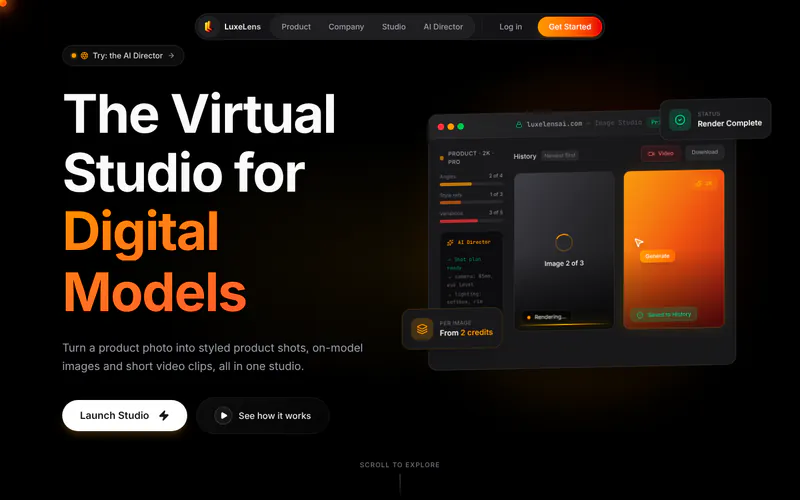
Live
Our generative product-photo and video studio · Gemini on Google Cloud
- Generative AI
- Gemini
- Google Cloud
Startups · Software delivery
Ship a credible MVP fast with Claude Code, then keep the pace with automated PR review, issue triage and scheduled maintenance runs, without growing headcount.
Founders need to ship a credible product fast with a tiny team, then keep shipping without building a large engineering department.
We build your MVP with Claude Code under clear repository conventions, then set up AI-assisted PR review, issue triage and scheduled maintenance runs so your team keeps the pace after handover.
It plugs into GitHub or GitLab, Supabase / Postgres, Vercel or Cloudflare, Slack and Linear or Jira, so nothing you rely on today is replaced. The architecture below shows each step and which model does the work.
Architecture
Softpiper AI layer
Rules, commands and architecture notes live in CLAUDE.md and AGENTS.md, so every agent run follows them.
Features are planned, implemented and tested with Claude Code; senior engineers review every change.
Every pull request gets an automated review; new issues are triaged and labelled.
Nightly runs update dependencies, run the test suite and open fix PRs.
Voice, vision and generated-media features use the Gemini API; reasoning and agent features use the Claude API.
Preview deploys per pull request and a production pipeline on your platform.
Why this model
Claude Code plans, writes, tests and opens pull requests, and runs in GitHub Actions and GitLab CI for review and triage. Routines run scheduled jobs, such as nightly dependency and test sweeps, in the cloud.
For product features that need voice, vision or generated media we use the Gemini API, and Firebase or Google Cloud-centred teams can work in Gemini Code Assist or Antigravity.
Delivery
Plus the guardrails on every build: facts from your systems, approvals for writes and money, a human one step away, audit logs and evals. See all
A planning range for a first production release. We confirm scope, price and dates in a tailored proposal.
Goals we agree with you and measure from a baseline. They are what we track, not results we promise.
Related services
Fast, accessible web products, from MVP to platform, engineered to last.
View serviceCross-platform iOS and Android apps that share a codebase and a backend with your web product.
View serviceSecure, observable infrastructure on Google Cloud and Vercel, with deployments that are boring in the best way.
View serviceOur work in this space
Our generative product-photo and video studio · Gemini on Google Cloud
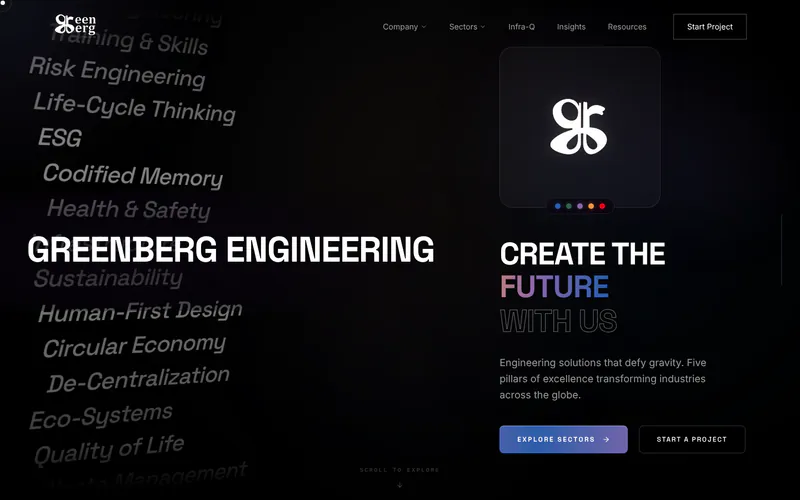
Corporate platform on Next.js · Engineering and infrastructure
More playbooks
Any industry
Old PHP, Java or .NET applications and unmaintained frameworks block new features, and a full rewrite is risky and slow.
Retail and e-commerce
Shoppers leave when they can't get a fast answer on sizing, stock, delivery or returns, and your team answers the same questions across chat, email and WhatsApp.
Retail and e-commerce
Thousands of SKUs with thin descriptions, missing attributes, no translations and inconsistent imagery hold back search visibility and conversion.
Pip · Softpiper's AI
Ask Pip about this playbook
Pip is Softpiper's AI. Tell it what you run today and it will walk through how this playbook fits, what we would build first and a tailored price range. Or book a call with the team.